2025-08-13-11-31-26.png)
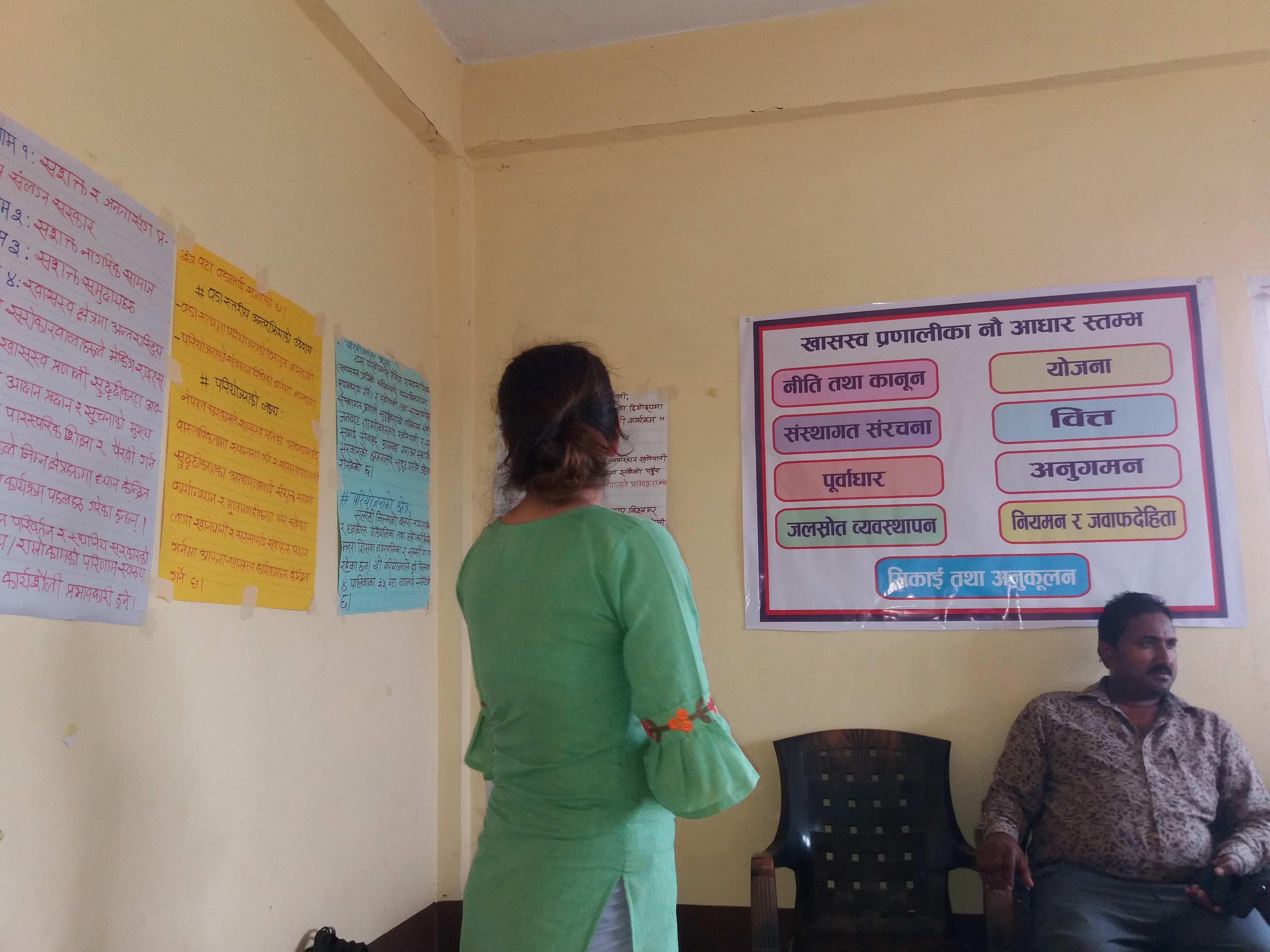
The Global WASH project, operating under the Rural Self-reliance Development Center, has successfully implemented ward-level interaction programs in 35 wards in various municipalities and rural municipalities in Mahottari and Sarlahi districts. In these programs, various stakeholders, including ward chairpersons, four ward members, ward secretaries, health inspectors or representatives, school management committee chairs and principals, drinking water consumer committee chairs or representatives, Dalit community representatives, a person with disabilities, mother's group representatives, and youth clubs, were provided with detailed information about the project's focus on improving the accessibility of drinking water, sanitation, and hygiene services for all through the strengthening and upgrading of water supply, sanitation, and hygiene systems. Furthermore, they were informed about the actual role of local government in transforming the rights to drinking water, sanitation, and cleanliness into reality, thereby inspiring ward-level authorities to actively enhance access to drinking water, sanitation, and hygiene in their respective wards.
This initiative has led to strengthening drinking water, sanitation, and hygiene services through comprehensive analysis and improvements at the ward level, aiming to make drinking water, sanitation, and hygiene services widely accessible in each ward. The Global WASH Project places a strong focus on the systematic strengthening of local governments and the implementation of the Making Rights Real (MRR) approach. Our mission is intrinsically linked to the global commitment to achieving the Sustainable Development Goals (SDGs) by 2030, ensuring that WASH services are accessible to all and that no one is left behind.