
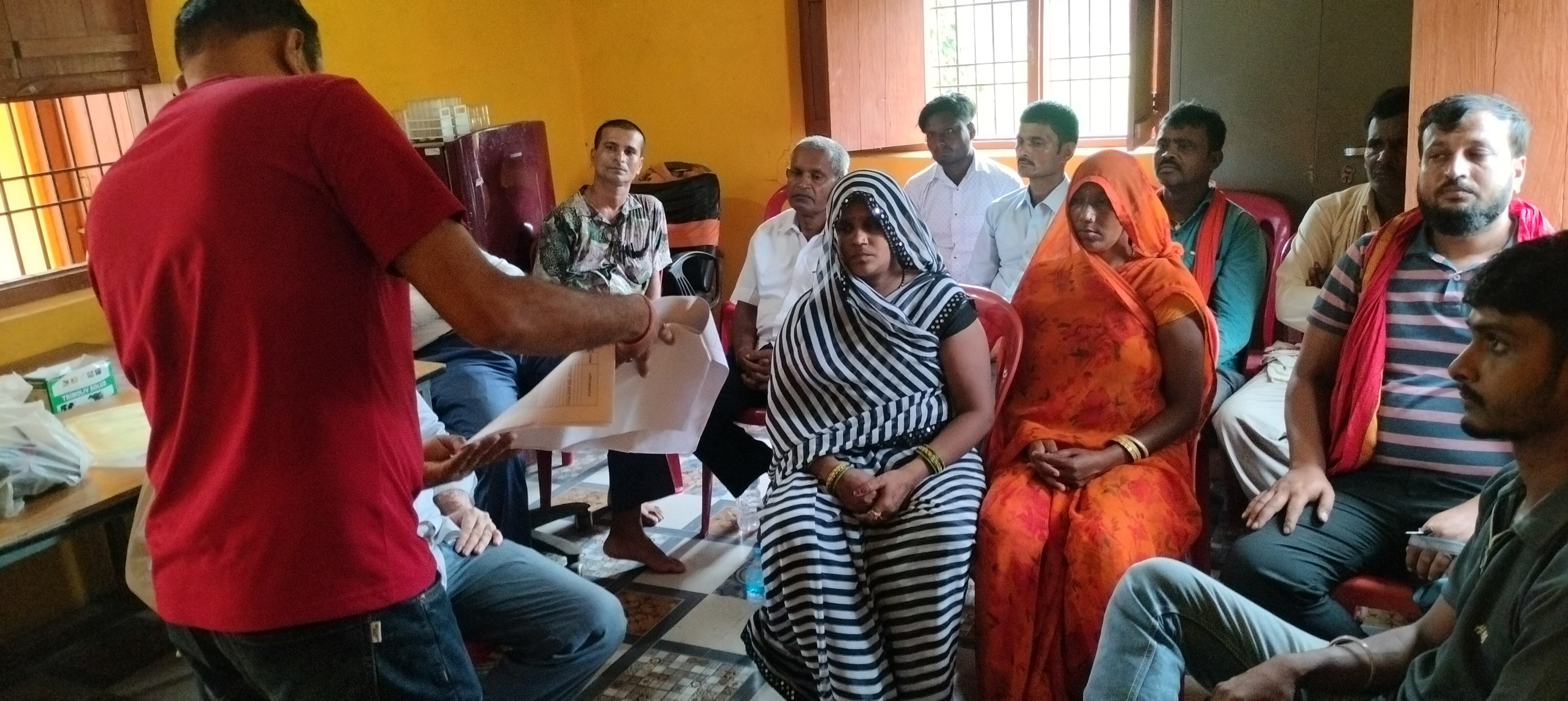
An orientation program on the Water, Sanitation and Hygiene (WASH) Plan has been completed in all 25 wards of Balara Municipality and Dhanakaul Rural Municipality in Sarlahi District, and Samsi Rural Municipality in Mahottari District.
The workshops, held from August 2 to August 12, aimed to raise awareness about the importance of the WASH Plan, the roles and responsibilities of ward offices, and how to coordinate with municipalities. Participants included ward chairpersons, members, secretaries, computer operators, WASH Tole Committee representatives, school and health care facilities representatives, child rights committee members, and other organizations working in WASH. A total of 431 people participated, including 95 women and 336 men.
During the program, participants realized that only building structures is not enough — policies, laws, and public awareness are also necessary. They also pointed out that most existing WASH structures are not user friendly for children, women, and persons with disabilities, and this issue has to be addressed in the future. Suggestions during the workshop were from a ward-level WASH coordination committee, including local committees, resource persons, schools, health institutions, and community development groups to ensure effective implementation.
The goal of the WASH Plan is to improve access to safe drinking water, proper sanitation facilities, and hygienic practices to enhance health, living standards, and social development.
This plan was developed after a long process by Balara municipality, Dhanakaul rural municipality, and Samsi rural municipality with support from the Global WASH Project, implemented by Rural Self-Reliance Development Centre (RSDC) in partnership with Malteser International. The project has been running for the past three years in four municipalities of Madhesh Province — Balara, Dhanakaul, Manara Shiswa, and Samsi — carrying out various water, sanitation, and hygiene-related activities.