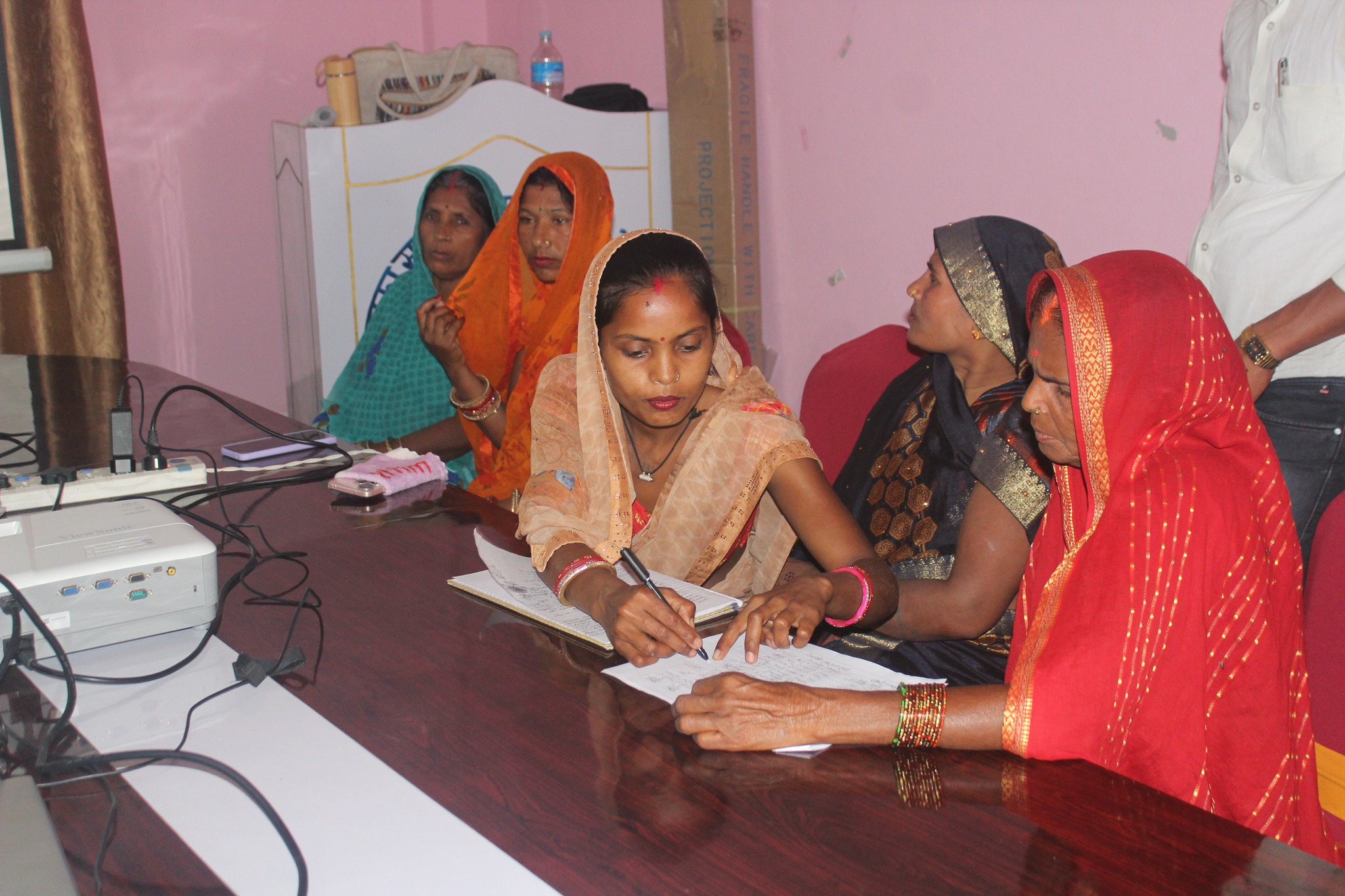
Following extensive groundwork and data collection, NWASH planning workshops have been successfully conducted in Dhanakaul Rural Municipality, Balara Municipality of Sarlahi District, and Samsi Rural Municipality of Mahottari District under the Global WASH Project supported by Malteser International (MI) and German Cooperation (BMZ). The workshops aimed to finalize drinking water, sanitation, and hygiene (WASH) plans for the respective local governments.
To begin with, trained local personnel were mobilized to collect data on existing drinking water sources and WASH infrastructure within the municipalities. This included mapping the condition and coverage of existing facilities. The collected data was then validated through inclusive discussions with local representatives, technical experts, ward officials, and community leaders, and formally certified by the local governments.
Based on the validated N-WASH data, short-term and long-term strategic WASH plans were prioritized, aligned with the Sustainable Development Goals (SDGs), to ensure gender equality and social inclusion (GESI), climate change adaptation, and disaster risk management. These prioritized plans aim to reach unserved and underserved areas and communities, promoting equitable access to safe water and sanitation services.
The workshops focused on identifying gaps in current WASH services and formulating prioritization plans to ensure inclusive and sustainable solutions. Mr. Nirav Baidya, a data analyst from the Department of Water Supply and Sewerage Management (DWSSM), led the workshops as a technical advisor, supported by Mr. Aditya Pandey. They guided participants through the N-WASH planning process, including data analysis, prioritization, and using the NWASH module, application, and MIS system.
Workshops in each municipality lasted two days and involved diverse stakeholders, including mayors, chief administrative officers, ward chairs, department heads, WASH committee members, IT officers, Division Water Supply Office representatives, and RSDC’s field and central-level staff.
It is worth noting that the Rural Self-Reliance Development Centre (RSDC) is implementing the Global WASH Project in Dhanakaul, Balara, Samsi, and Manara Shiswa municipalities. The core focus is on supporting the development of evidence-based and inclusive WASH plans.
